How Professionals Assess Large Contaminated Areas
Before beginning cleanup, technicians evaluate the property to determine the type and extent of contamination. This assessment helps identify affected rooms, surfaces, materials, and areas that may require containment or specialized treatment.
Contamination is not always limited to the location where an incident occurred. Biological fluids can affect flooring, furniture, walls, and other materials. Technicians therefore examine both visible contamination and areas that may have been indirectly affected.
The type of contamination also determines the appropriate response. Blood, bodily fluids, sewage, and decomposition-related contamination can require different procedures and protective measures.
A professional assessment creates a clear cleanup plan. Instead of treating every part of a property unnecessarily, technicians can focus on areas requiring remediation and determine which materials can be cleaned and which may need removal.
Can Biohazard Teams Clean Large Buildings?
Yes, professional biohazard teams can handle contamination affecting large rooms, multiple rooms, or significant sections of a building. The exact approach depends on the contamination, property layout, and materials involved.
Large properties require careful organization to prevent contamination from spreading during cleanup. Technicians may establish controlled work zones and restrict access to affected areas while remediation is underway.
Commercial buildings can be especially challenging because they may contain offices, hallways, restrooms, storage areas, equipment, and other connected spaces. Residential properties can also require extensive remediation when contamination affects several rooms.
Professional teams work systematically through affected areas. They can clean appropriate surfaces, remove contaminated materials, package biohazardous waste, and maintain safety procedures throughout the project.
The objective is not simply to make the property look clean. Proper remediation focuses on safely addressing contamination and reducing potential biological hazards.

Why Containment Matters
Containment is particularly important when contamination covers a large area. Without appropriate controls, contaminants could potentially be transferred through foot traffic, equipment, or improper handling.
Professional Core Biohazard Services may establish boundaries around contaminated areas and limit access while technicians work. Protective barriers and other containment methods may be used when appropriate to help separate affected spaces from clean areas.
Containment is especially useful in commercial properties that remain partially occupied. For example, employees may be able to continue working in unaffected sections while technicians handle a contaminated area.
Technicians also consider building layouts, ventilation, hallways, and shared facilities when planning containment. These factors can influence how contamination should be managed.
A controlled work environment allows cleanup professionals to focus on remediation while reducing unnecessary movement through affected areas.
Equipment Used for Large Cleanup Projects
Large biohazard incidents often require specialized equipment and protective supplies. Professional technicians use equipment based on the type of contamination and conditions identified during the initial assessment.
Personal protective equipment helps reduce direct exposure while technicians work. Depending on the situation, this may include protective clothing, gloves, eye protection, and respiratory protection.
Specialized cleaning and disinfection equipment may also be used to treat affected surfaces. The appropriate methods depend on the contamination and the materials being cleaned.
Waste management is another important part of extensive remediation. Contaminated materials should not simply be placed in ordinary household or commercial trash. They need to be handled, packaged, and disposed of according to applicable procedures.
Having the right equipment allows professionals to work more safely and efficiently, especially when contamination affects a large property.
Dealing With Porous Contaminated Materials
Porous materials can make biohazard cleanup more complicated because they may absorb biological fluids. Carpeting, mattresses, upholstery, drywall, insulation, and unfinished wood may require special consideration.
Simply wiping the surface of an absorbent material may not be enough when contamination has penetrated deeper. Technicians must determine whether the material can be appropriately cleaned or whether removal is necessary.
Large properties can contain significant amounts of porous materials. A contaminated home may have affected carpeting and furniture, while a commercial building could have extensive flooring or upholstered areas.
Professional technicians evaluate materials based on their condition and the nature of the contamination. When removal is necessary, affected materials should be handled carefully to prevent additional exposure or cross-contamination.
Properly addressing porous materials helps ensure the remediation process goes beyond making visible surfaces appear clean.
Large-Scale Trauma and Death Scene Cleanup
Unattended deaths, serious accidents, and traumatic incidents can create extensive contamination. In some situations, biological fluids may affect flooring, furniture, walls, or structural materials.
Decomposition can create additional concerns, including odors and contamination that may extend beyond the immediately visible area. These situations require more than ordinary household cleaning.
Professional Core Biohazard Services can help manage these challenging circumstances. Technicians can evaluate affected areas, establish controlled work zones, remove contaminated materials when necessary, and clean suitable surfaces using appropriate procedures.
Professional cleanup can also reduce the emotional burden on families and property owners. Handling contaminated materials following a traumatic event can be extremely difficult, particularly when the affected property has personal significance.
Experienced technicians approach these situations with professionalism and sensitivity while focusing on safely restoring the environment.
Commercial and Industrial Cleanup Challenges
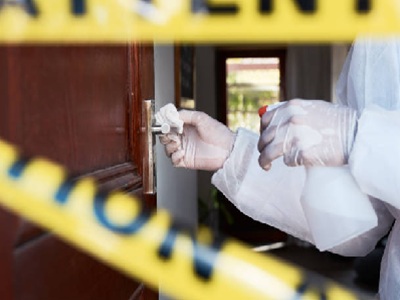
Commercial and industrial properties can involve much larger areas than typical homes. They may also contain employees, customers, inventory, machinery, storage areas, and specialized equipment.
When contamination occurs, businesses may need to isolate the affected section while keeping other operations running. Professional remediation teams can help establish a cleanup plan based on the property and the extent of contamination.
Industrial facilities may require additional evaluation because contamination could affect floors, equipment, storage materials, or other surfaces. Untrained employees should generally not be assigned to extensive biohazard cleanup.
Professional technicians understand how to work in controlled environments and can manage contaminated materials using appropriate safety procedures.
For businesses, professional remediation can help reduce disruption while addressing the contaminated area in a structured manner.
How Long Does Large-Area Cleanup Take?
The timeline for large-area biohazard remediation varies. Factors include the size of the property, severity and type of contamination, amount of affected material, accessibility, and whether structural materials require removal.
A large area with limited surface contamination may take less time than a smaller property where contamination has penetrated flooring or walls.
Technicians can provide a more accurate estimate after inspecting the property. The timeline may change if additional contamination or affected materials are discovered during the cleanup.
Professional teams should prioritize thorough remediation rather than rushing through the process. Containment, cleaning, material removal, and waste handling all need to be completed carefully.
Property owners should therefore be cautious of companies promising an exact completion time without first evaluating the affected area.
Why Professional Remediation Is Important
Trying to clean a large biohazard area without appropriate training can expose people to biological hazards and potentially spread contamination. Household cleaning products and ordinary protective equipment may not be suitable for serious incidents.
Professional technicians are trained to assess contaminated environments and determine appropriate cleaning and containment procedures. They also understand how contaminated materials should be handled and removed.
Professional remediation reduces the burden on property owners who may otherwise face extensive cleaning, waste management, material removal, and odor concerns.
It can also provide valuable emotional relief after traumatic events. Instead of handling hazardous cleanup personally, property owners can allow trained professionals to manage the remediation process.
For significant contamination, professional assistance is often the safer and more practical approach.
Conclusion
Large contaminated areas can present significant cleanup challenges, but professional biohazard teams can manage many extensive contamination situations. Assessment, containment, specialized cleaning, material removal, and proper waste handling are important parts of the remediation process.
The size of the property is only one consideration. The type of contamination, affected materials, length of exposure, and overall condition can all influence the scope and timeline of cleanup. Attempting major remediation without proper training and equipment may create additional health and safety risks.
If you need professional biohazard cleanup in Springfield, ASAP Decon can evaluate the situation and recommend an appropriate remediation approach. For assistance with a contaminated property, call 703-864-8367 to discuss your cleanup needs.