

Playing the Book of the Fallen slot pulls you into a rich fantasy world https://book-of.eu/book-of-the-fallen/. The plot and gameplay are captivating. But like any gambling, setbacks is always a possibility. For players in London, Glasgow, or anywhere across the UK, a rough session does more than hit your bank balance. It can affect your mood and fog your mindset for hours following. The players who deal with this best aren’t the fortunate ones who never lose. They’re the ones with a personal set of routines to process the setback and advance. This isn’t about lucky charms or attempting to win your money back. It’s about realistic steps to clear your mental state. What comes next are structured cleansing practices. View them as emotional hygiene, a way to draw a firm line between the game and your daily life. The goal is to ensure a session on Book of the Fallen remains as recreation, and doesn’t become a source of nagging stress. You desire a arsenal to convert a negative experience into a neutral one, something that doesn’t wreck your day or how you think about yourself.
Grasping the Mental Consequence of a Loss
You should recognize what a loss inflicts on you mentally before you can clean it up. Losing on a game like Book of the Fallen is not merely a number changing in your account. It sets off a chain reaction within you. You’ll likely feel disappointment first. Then arrives the mental replay: those near-misses, the bonus round that almost triggered. That can turn into frustration, and a nagging pull to play again to make it right. Psychologists call this the ‘loss chase’ impulse. In the UK, with gambling so accessible, identifying this internal struggle is your first defence. The game’s sounds and graphics stimulate your brain’s reward system. When you stop, that system grumbles, creating a low-grade agitation. Try to see this for what it is: a neurochemical comedown. It’s normal, and it’s not a personal failure. This view reduces the impact. It lets you step back and respond more clearly. Grasping this idea is the foundation for any good cleansing ritual. It shifts the process from a simple task to a real psychological reset. There’s a big difference between feeling like a loser and knowing you just had a loss. That difference counts for your mental health and for keeping your play in check.
The Right-After Post-Session Ritual
The minutes right after you exit the game are the most important. This is when you set the next course. I advise a strict five-minute ritual, something you do without fail the moment the app ends. Don’t analyse the session now. Your job is to root yourself in the physical world. Start by switching your environment. If you were on your phone, put it in a different room. Stand up. Stretch your arms and back. Take ten slow breaths, paying attention to the long exhale that allows the tension out. Then do something easy with your hands. Wash them under cold water. Make a proper cup of tea—the British classic for a reset. Step outside your front door for sixty seconds and feel the air, whether it’s drizzling in Manchester or bright in Cornwall. The point is to send your brain a strong signal: the session is over. Done. This physical break breaks the intense focus the slot requires. Creating this buffer prevents the feelings from the loss from seeping into your next task or your whole evening. Some people find it helps to say “session closed” out loud. The sound adds another layer to the ritual, locking the shift back to ordinary life.
Screen Break and Account Management
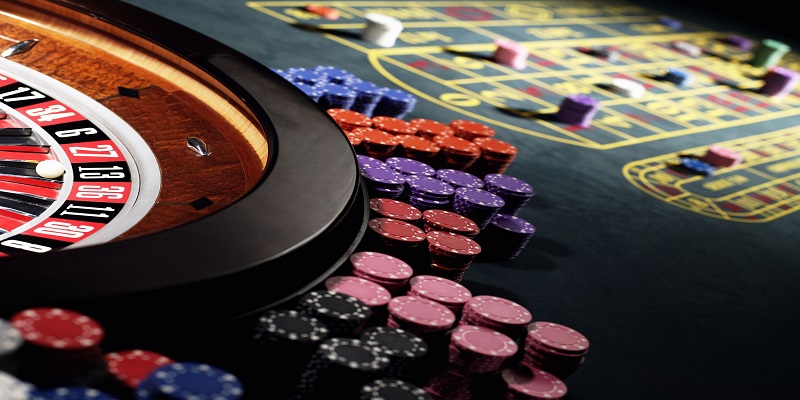
We experience digital lives here. The pull to just peek at the casino app or skim a promo email is relentless. A thorough cleanse means putting up purposeful digital barriers. You don’t have to delete your account. Just add obstacles to come back. First, sign out every single time you stop playing. That one extra click generates friction. Second, employ the responsible gambling tools. Every UK Gambling Commission approved site offers them. Setting a deposit limit or going on a 24-hour break isn’t weak. It’s intelligent self-awareness. For a deeper reset, unsubscribe from gambling newsletters for a week. Leverage your phone’s screen time settings to restrict access to betting apps after a specific hour. The complete gambling ecosystem is engineered to coax you back. A conscious detox counters. It brings quiet. In that quiet, the din of the game—the spinning reels, the jingles, the pledges—finally fades. This stillness is crucial. It interrupts the routine of automatically checking and clears your brain for the other parts of your life.
Re-engaging with Tangible Hobbies
A effective way to counter the digital, chance-driven nature of slots is to get stuck into a real hobby. Something you can touch. The UK is brimming with options, from national traditions to local clubs. Pick an activity where you observe progress from your own skill and time, not luck. Working with your hands is particularly good for this. Consider gardening, building a model kit, cooking a new dish from a cookbook, or a DIY job. The accomplishment is solid: a weeded flowerbed, a finished Spitfire model, a loaf of bread. It provides you back a sense of control. Or become part of a local walking group to explore the countryside, or a community choir. These activities link you with others, keep you active, and root you in the present moment. They occupy the mental space that would otherwise be ruminating about lost spins. They replace an abstract loss with a real, satisfying experience. The trick is to have the hobby ready to go. Have a project on the workbench or a walk scheduled. That way, you have a positive default activity ready. It cuts down on the decision fatigue that might otherwise guide you back to the screen.
Financial Reality Assessment and Budget Recalibration
A hit on Book of the Fallen is, inevitably, about money. So portion of your recovery has to be a measured look at your financial situation. Wait until the following day, when your thinking is sharp. Then take a seat and examine. Check your bank app or your budget spreadsheet. Evaluate the effect truthfully. Did that money come from your designated entertainment fund, or did it encroach on something else? Be honest with yourself. The subsequent action is to rebalance. For the next week or month, try employing physical cash for your discretionary spending. Take out a set amount and let that be your cap. Handling real notes and coins makes money feel more real than digital numbers. Another good move is to set up a small automatic transfer to a savings account just after you get paid. Even five pounds. This constructive action fights the feeling of being emptied. It makes you feel like you’re growing something, not just losing. You can frame this check in a few straightforward steps.
- Assessment: Write down the specific amount gone. Identify where it belongs in your monthly budget.
- Containment: Decide if you need to cut spending in other categories this month—like on takeaways or pubs—to offset things out.
- Reinforcement: Go to your gaming account now. Establish your daily or weekly deposit limit to a more cautious number.
- Positive Action: Plan that small savings transfer. Consider it as an act of financial self-care.
Meditation and Meditation Techniques
To still the restless thoughts after a loss, mindfulness and meditation are valuable tools. These practices aren’t about having a blank mind. They’re about observing your thoughts without getting tangled in them, and gently bringing your focus to the here and now. After a gambling loss, this means seeing the regret or frustration surface, but not permitting those feelings take control. A simple start is a 10-minute guided meditation. Use an app like Headspace or Calm, which are well-known here. Focus on your breathing. When a thought about the game intrudes—”I should have cashed out after that win”—just name it “thinking” and direct your attention back to your breath. Another method is mindful walking. Pay close attention to your feet on the ground, the sounds around you, the colors you pass. This anchors you in your immediate surroundings, whether it’s a busy high street or a quiet park. It stops the loop of mentally replaying the session. The practice develops a skill: letting thoughts float away without letting them start an emotional storm or trigger a quick decision to deposit more cash.
The value of Social Connection
Spending time alone can make a loss feel heavier. A strong counter is to actively engage with people. This doesn’t mean you have to talk about gambling if you prefer not to. It is about having a healthy, pleasant conversation. In the UK, the local pub, a class at the community centre, or a simple coffee with a friend is ideal. The aim is to have a conversation about something else. Talk about the football, a new show, what’s happening with the family, or what’s going on around town. Truly listen to what the speaker is saying. Sharing a laugh is a wonderful release. It releases endorphins and alters your outlook. Spending time with others reminds you that you belong to a larger circle—a friend, a sibling, a colleague. You’re more than just a player staring at a screen. This social connection dilutes the power of the loss. It sets the situation into the larger, healthier context of a full life. Being with company is a natural distraction. It also offers outside perspectives that can kindly counter the self-focused, restricted tale you might be telling yourself after a session.
Working Out as a Mental Reset
The connection between bodily activity and cognitive focus is established science. It’s a crucial element of bouncing back after a loss. The frustration from losing is partly physical—a build-up of stress hormones. Getting your heart pumping is a great way to burn through those substances. It also stimulates endorphins, your body’s own mood lifters. You don’t require a gym. A quick 30-minute walk, a bike ride on a nearby trail, or a at-home routine from YouTube will suffice. The rhythm of running, swimming, or even a vigorous clean can put you in a meditative state and cleanse the mental clutter. We’re lucky in the UK with our system of public paths and parks. Exercising outside provides fresh air and natural scenery, pulling your mind further from the glow of Book of the Fallen. The physical tiredness you feel afterwards is also a beneficial change from the brain-tired feeling a gambling session creates. Think of this not as penalty, but as a reset. You exercise your body to change the state of your mind.
Examining the Session: A Objective Review
After a full day has elapsed, it can be useful to do a short, analytical review of the losing session. Don’t do this to criticize yourself or think about what might have been. Do it to gather facts for the future. Treat it like a scientist observing an experiment. Ask specific, emotionless questions. What was my budget before I started? Did I stick to it? When did my mood shift while I was playing? Was I running after losses, or playing within my set limits? The aim is to identify patterns, not lament the money. You might observe losses sting more late at night. Or that you tend to raise your bet size after a few small wins. Jot these observations down in a note. This process converts a hot, emotional experience into a cool object of study. That shift alone diminishes its emotional power. It changes a loss from a pure setback into a source of personal data. That data can assist you play more thoughtfully in the future, if you opt to play again.
Enduring Perspective and Behavioural Reframing
The most profound cleansing practice entails a transformation in how you perceive losses over the long term. It’s about reinterpreting your entire relationship with slots like Book of the Fallen. Try to deliberately redefine what a “loss” means. Can you view it as the cost of an evening’s amusement, like a cinema ticket or a concert? The money bought you the experience itself. The essential part is that the cost was affordable and you set it ahead of time. Also, cultivate a detached view of the game’s mechanics. Remember that Book of the Fallen runs on a Random Number Generator. Every spin is an separate event. There are no patterns, and no outcome is “due.” Knowing this logically helps break superstitious thinking. Finally, make a habit of checking in with yourself about your gambling as a whole. Is it enhancing your life or creating stress? This ongoing audit maintains your play aware, controlled, and truly for fun. To make this reframing last, you could note a few personal principles for healthy engagement.
- I only play with money I have specifically allocated for entertainment.
- I establish firm time and deposit limits before every session and log out instantly after.
- I view any money spent as the fee for the entertainment received, not an investment with a return.
- I prioritise my tangible hobbies and social connections over gaming time.
- If I experience the urge to chase a loss, I enact my immediate post-session ritual without delay.